Baby Clothes: Why Buying Ahead Rarely Saves Money
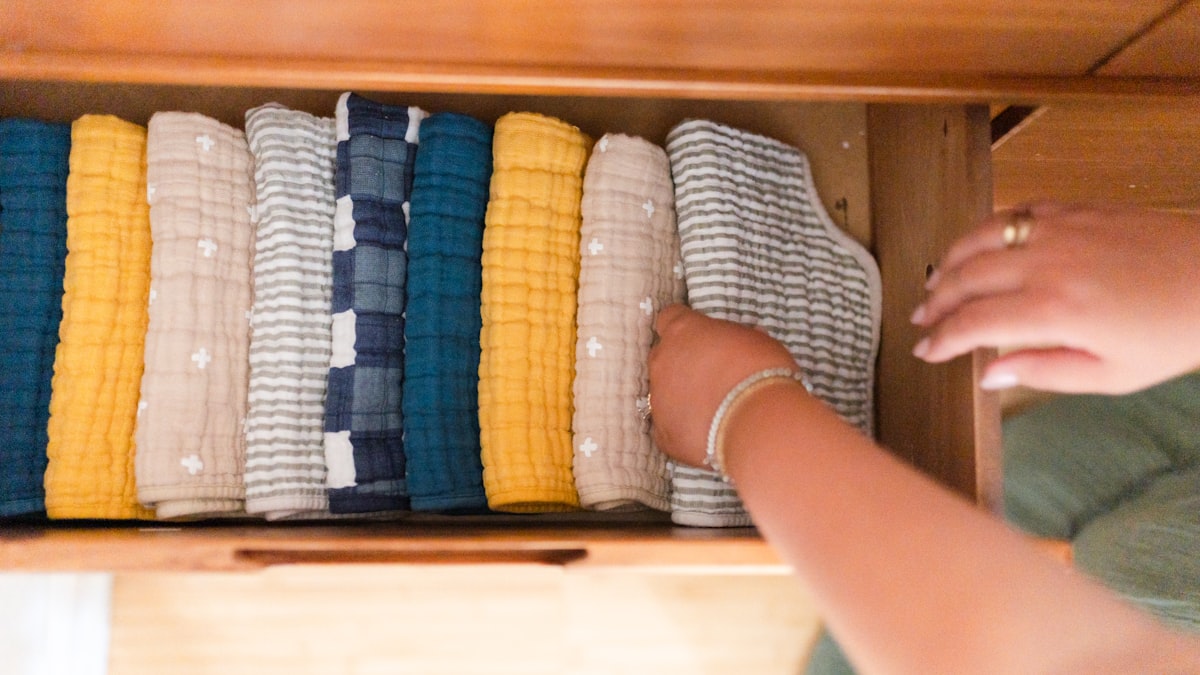
A sale banner offering 60% off baby clothes in a size your child won’t need for six months looks like an obvious win. Often it isn’t, and the reason comes down to how unpredictably babies actually grow.
The core problem with buying ahead
Baby growth in the first year isn’t linear or fully predictable. Many babies move through a clothing size roughly every 2-3 months in that stretch, but the exact pace varies enough between individual babies that clothes bought six months ahead of when you expect to need them carry real risk of never getting worn, or being worn for only a couple of weeks before being outgrown. A discount on an item that goes unused isn’t a saving, it’s money spent on something that ends up passed on or thrown out.
Where the math actually works
- Oversized-by-design items: swaddles, sleep sacks, and similar items are often sized for a range rather than a specific age, so buying ahead carries much less risk
- Items you’ll use across multiple sizes: bibs, mittens, and similar accessories that aren’t size-specific in any meaningful way
- After the first year: growth rate slows down considerably after 12 months, which makes buying a season ahead noticeably more reliable than doing the same in the newborn to 12-month window
Where it usually doesn’t
- Fitted clothing in a specific size during the first year: the exact window a baby fits a given size is genuinely hard to predict in advance, even for a second or third child, since growth rate isn’t identical between children
- Seasonal clothing bought a full season ahead: a winter-weight outfit bought in a size your baby won’t reach until well into summer risks being outgrown before the season it was meant for even arrives
- Anything bought purely because of the discount percentage, rather than because you had a genuine, specific need for it
A more reliable approach
Buy the current size as needed, and buy one size ahead at most, rather than stocking multiple sizes in advance. This misses some sale windows, but it avoids the more common and more expensive mistake: a drawer full of barely-worn clothes in sizes that came and went faster than expected. If a sale is genuinely deep enough to be worth the risk, weigh it the same way you would any other sale-season purchase: would you buy this at full price if you needed it right now, not just because the discount is large.
Related reading
Related posts

The Checkout Insurance Add-Ons You Keep Clicking Past: Are They Worth It?
Travel insurance on IRCTC, extended warranties on Amazon and Flipkart, EMI protection at checkout: what these small add-ons cover, and when to skip them.

Ganesh Chaturthi to Diwali 2026: A Month-by-Month Guide to Every Sale Trap Coming Your Way
A month-by-month guide to the sale traps Indian shoppers face from Ganesh Chaturthi through Diwali, and how to actually save money in that window.
Shopsy Freedom Sale: Products Starting at ₹80 — Worth Buying, or Just Sale Hype?
What Shopsy actually is, whether its 'products from ₹80' Freedom Sale claim holds up, and how to check before you buy anything that cheap.