Refurbished vs Sale-Price New: When the 'Deal' Isn't Actually a Deal
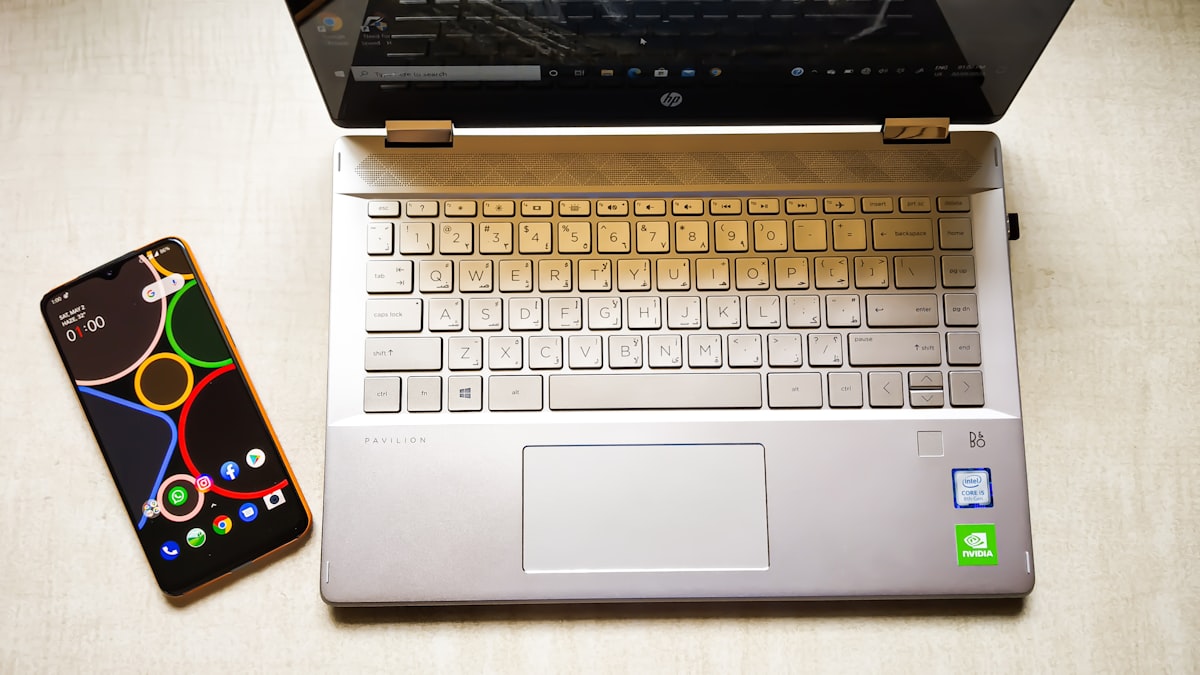
During festive sales, refurbished electronics get pushed hard, often at 30-40% below the new sale price. That gap looks big enough to ignore on its own. Whether it’s actually a good trade depends on what you’re buying and how you’ll use it.
What “refurbished” actually means at scale
On Amazon Renewed, Flipkart’s refurbished listings, and similar programs, products are typically returns, display units, or minor-defect stock that’s been inspected, repaired where needed, and tested before resale. They’re graded by condition, and the better sellers disclose battery health (for phones/laptops) and cosmetic condition clearly. This is meaningfully different from buying secondhand from an individual, where none of that inspection process exists.
Where the discount is genuinely worth it
- Laptops and desktops for basic use (browsing, documents, not gaming or heavy editing): the performance gap between refurbished and new is often irrelevant for these tasks, and the price gap is real money
- Older-generation phones still receiving updates: buying last year’s flagship refurbished can beat this year’s mid-range new phone on both price and actual specs
- Accessories and peripherals (monitors, keyboards, routers): minimal risk, since there’s little that degrades meaningfully with light prior use
Where it’s usually not worth the discount
- Phone or laptop battery health: batteries degrade with use regardless of how well the device was refurbished, and a shorter remaining battery life isn’t always disclosed clearly. If battery longevity matters to you, this is the category to be most cautious in
- Products you’ll rely on daily for years: the shorter refurbished warranty (often 90 days to 12 months vs 1-2 years new) matters more the longer you expect to keep using it
- Anything still under active manufacturer promotions: sometimes a new unit’s sale price plus a bank card discount closes most of the gap with refurbished anyway, which is worth checking before assuming refurbished automatically wins on price
The check that actually matters
Before buying refurbished specifically to save money during a festive sale, compare the refurbished price plus its shorter warranty against the new sale price plus any instant card discount you’re eligible for. Sometimes the gap that looked like 35% shrinks to 15% once both discounts are accounted for, and at that point the longer warranty on new is often worth the difference.
Related reading
Related posts

Singapore Itinerary Planning: Where Self-Planning Actually Saves Money
A 5-day Singapore family itinerary showing where self-planning beats a package tour: combo tickets, MRT vs cabs, hawker food, and tourist passes.

Jio vs Airtel vs Vi: Are You Paying for Netflix or Prime Twice Through Your Recharge?
Jio, Airtel, and Vi postpaid plans now bundle Netflix, Prime, and JioHotstar. Check if your recharge already covers what you pay for separately.

Diaper Subscriptions in India: Do They Actually Save Money?
Whether subscribing to diapers on Amazon or other platforms actually saves money in India, and how much the discount is really worth over a year.